
Description
Plant Profile
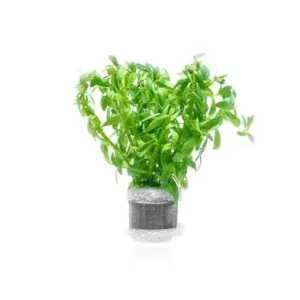
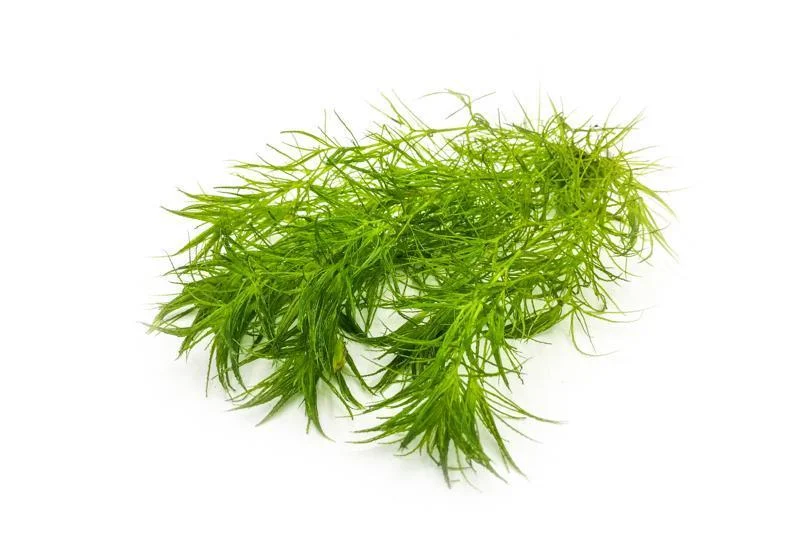
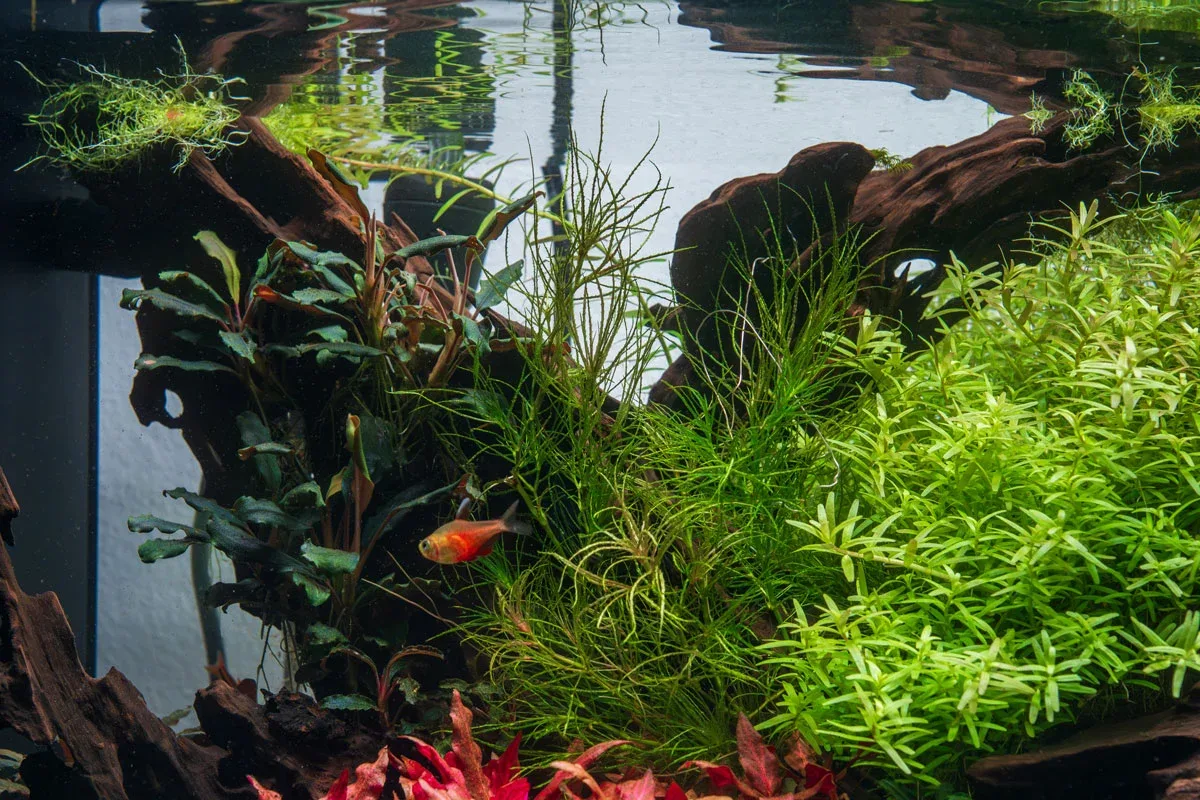
If you’ve ever worried about your ability to keep a live plant alive, rest easy. Najas Indica, affectionately known as Guppy Grass, is nearly indestructible! Whether you let it float lazily along the water surface or anchor it into your substrate like a traditional stem plant, Guppy Grass explodes into a lush, jungle-like sanctuary within weeks. Beyond looking vibrant and cheerful, it acts as a total powerhouse in your aquarium ecosystem by sucking up nitrates, outcompeting stubborn algae, and creating an absolute paradise for timid shrimp and baby fish fry.
Key Features & Benefits
Dense plant cover creates a tangled matrix that gives fish fry, shrimplets, and shy livestock safe places to hide and forage.
Nitrate-absorbing growth removes excess waste from the water column, helping to suppress algae and maintain clarity.
Flexible use thrives as a rooted background stem plant or a low‑maintenance floating cover, no CO₂ required.
Care & Planting Instructions
Remove lead weight and the cotton wrap (or foam) surrounding the base. Gently separate the brittle stems before planting or tossing them into your tank to float.
Use fine-tip pinsettes to push stems 1 to 2 inches into soil if you prefer a rooted look, or simply let the plant float freely to form a lush canopy.
Provide low-to-medium lighting for steady growth, as this ultra-adaptable species thrives easily without needing pressurized CO2 injection.
Maintain stable water parameters, though Guppy Grass easily tolerates a wide range of temperatures, light levels, and water chemistry.
Trim overgrown stems with straight scissors whenever the mass gets too thick, or snap stems by hand and toss the cuttings into another tank to multiply your stock. Read our trimming & propagation guide for details.
Quick Facts
Listed information should be treated as general guidelines only. Team Buce Plant encourages you to do thorough research to ensure healthy growth!
Attribute
Specification
Scientific Name
Najas indica
Common Name(s)
Guppy Grass, Najas Indica, Water Nymph
Family
Hydrocharitaceae
Plant Type / Taxonomy
Stem Plant / Floating Plant
Care Difficulty
Easy / Beginner Proof
Light Requirement
Low to Moderate
CO2 Requirement
Not Required
Placement / Usage
Background / Midground / Floating Canopy
Height / Size
4–12”+ (Can grow to fill tank volume)
Growth Rate
Fast
Water Parameters
pH 6.0–7.5
Propagation Method
Cuttings (Cut or snap stem and replant/float)
Origin
Asia
Frequently Asked Questions
1. Why are the lower leaves falling off my stem plants?
Lower leaf loss (leggy stems) usually occurs when lighting cannot reach the bottom of the plant due to overcrowding or shading from larger plants. Spacing individual stems slightly apart during initial planting and maintaining adequate light penetration will keep lower leaves healthy.
2. Is Guppy Grass better floating or rooted in the substrate?
Guppy Grass excels at both! Floating stems absorb nutrients directly from the water column while giving newborn fry and shrimp a surface nursery. Rooting stems in soil creates a dense, bushy background wall that adds classic natural depth to your aquascape.
3. My stem plants arrived with round green leaves, but the new growth looks totally different. Is this normal?
Yes! Many aquatic stem plants are cultivated emersed (above water) at plant nurseries, producing rounder, thicker green leaves. Once submerged in your aquarium, the plant will transition into its true aquatic form, sprouting delicate, submerged foliage.