
Description
Plant Profile
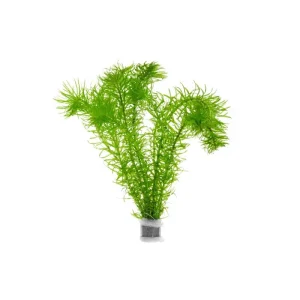
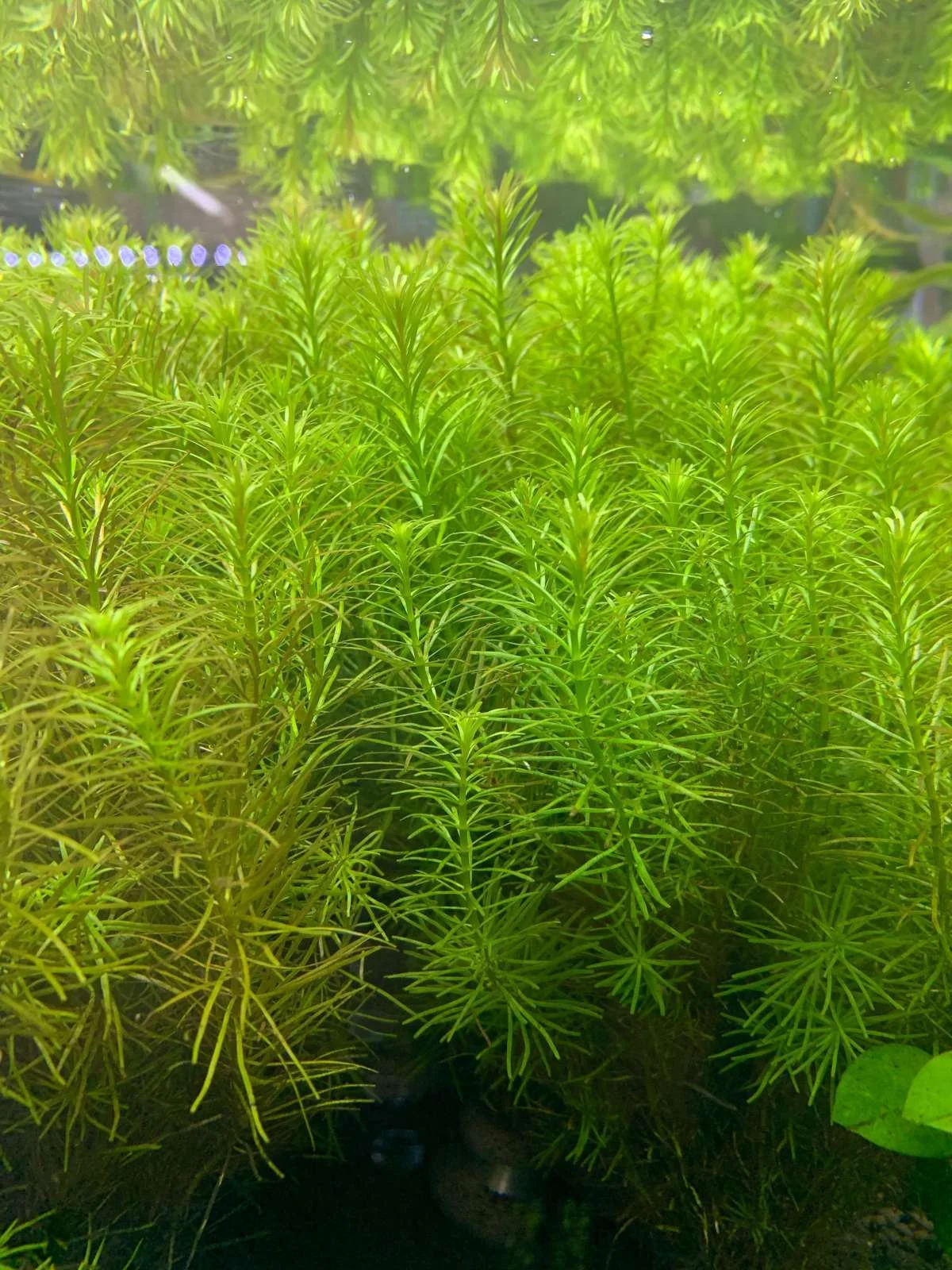
Rotala Nanjenshan is a delicate natural hybrid aquatic stem plant originating near Nanjenshan, Taiwan. Believed to be a natural cross between Rotala rotundifolia and Rotala wallichii, this unique species combines the hardy growth habit of Rotundifolia with the fine, needle-like leaf structure of Wallichii. Featuring dense whorls of slender, hair-like leaves along flexible stems, it displays a vibrant lime-green coloration that blushes soft pink, orange, and yellow-gold at the growing tips under high-tech aquarium conditions.
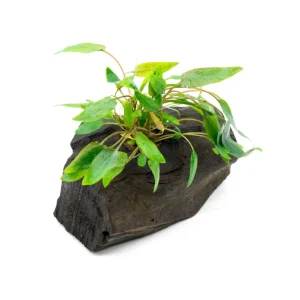
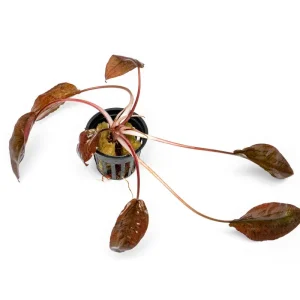
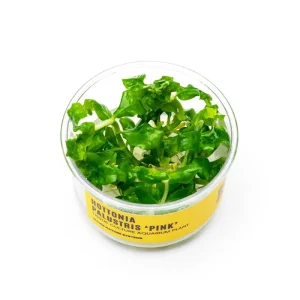
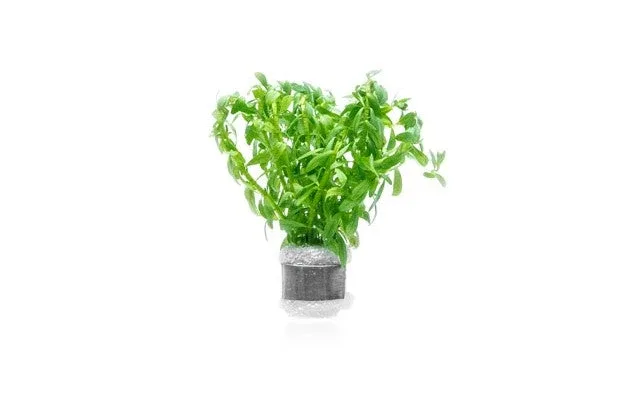
*Form Notice: Photos display this plant in both its emersed (above-water) and submerged forms. Depending on nursery availability and seasonality, you may receive this plant in either form. Learn more about what to expect by reading our guide on Emersed vs. Submerged-Grown Aquatic Plants.
Key Features & Benefits
Needle-like foliage adds soft, cloud-like texture to midground and background zones.
Hybrid origin gives lime-green foliage with blush-pink, gold, and orange growing tips under high lighting.
Fast-branching growth perfect for dense hedges and Dutch-style streets with routine pruning.
Care & Planting Instructions
Remove lead weight (or pot) and cotton wrap (or foam) surrounding the roots, then strip lower foliage so bare stems anchor cleanly into soil without rotting. *Rotala leaves are delicate, so handle stems with care during preparation.
Use fine-tip pinsettes to push individual stems or small stem groups 1 to 2 inches into substrate, spacing them slightly apart so light reaches lower foliage.
Provide medium-to-high lighting and soft, acidic water conditions (pH 5.0–7.0); mandatory pressurized CO2 injection and consistent fertilization with iron are essential to maintain needle density and induce pinkish growing tips. See our guide to growing red aquarium plants.
Maintain stable water parameters and avoid sudden environmental shifts to prevent leaf melt or stem rotting.
Trim main stem tops with straight scissors once stems reach the desired height, and replant trimmings directly into substrate to propagate and thicken your bush. Read our trimming & propagation guide for details.
Quick Facts
Listed information should be treated as general guidelines only. Team Buce Plant encourages you to do thorough research to ensure healthy growth!
Attribute
Specification
Scientific Name
Rotala sp. ‘Nanjenshan’
Common Name(s)
Rotala Nanjenshan, Nanjenshan Rotala
Family
Lythraceae
Plant Type / Taxonomy
Stem Plant (Natural Hybrid)
Care Difficulty
Moderate
Light Requirement
Medium to High
CO2 Requirement
Required (Essential for dense, needle-like whorls)
Placement / Usage
Midground / Background Bushing
Height / Size
5–10”+
Growth Rate
Fast
Water Parameters
pH 5.0–7.0 | Soft Acidic Water Preferred
Propagation Method
Cuttings (Cut stem and replant tops)
Origin
Asia (Taiwan)
Frequently Asked Questions
1. Why are the lower leaves falling off my stem plants?
Lower leaf loss (leggy stems) usually occurs when lighting cannot reach the bottom of the plant due to overcrowding or shading from larger plants. Spacing individual stems slightly apart during initial planting and maintaining strong light penetration will keep lower leaves healthy.
2. How do I get pink and gold growing tips on Rotala Nanjenshan?
While Rotala Nanjenshan stays bright green under moderate conditions, developing soft pink, orange, and gold growing tips requires high light intensity, pressurized CO2, soft acidic water, and consistent dosing of liquid micro and macronutrients, particularly iron.
3. How do I transition Rotala Nanjenshan from emersed to submerged growth?
When transitioning from emersed to submerged growth, plant bare stems securely into rich substrate under good lighting and pressurized CO2 while keeping water parameters stable. As new growth adapts, the plant will shed its oval land foliage and sprout delicate, needle-like underwater leaves. Once new shoots take root, trim away old lower growth to encourage dense branching.